How to Monitor Competitors Without Them Knowing — The Ethical Intelligence Stack
There is an enormous amount of public competitive intelligence available that companies systematically ignore. You don't need insider information or aggressive tactics — you need a systematic approach to what's already public.
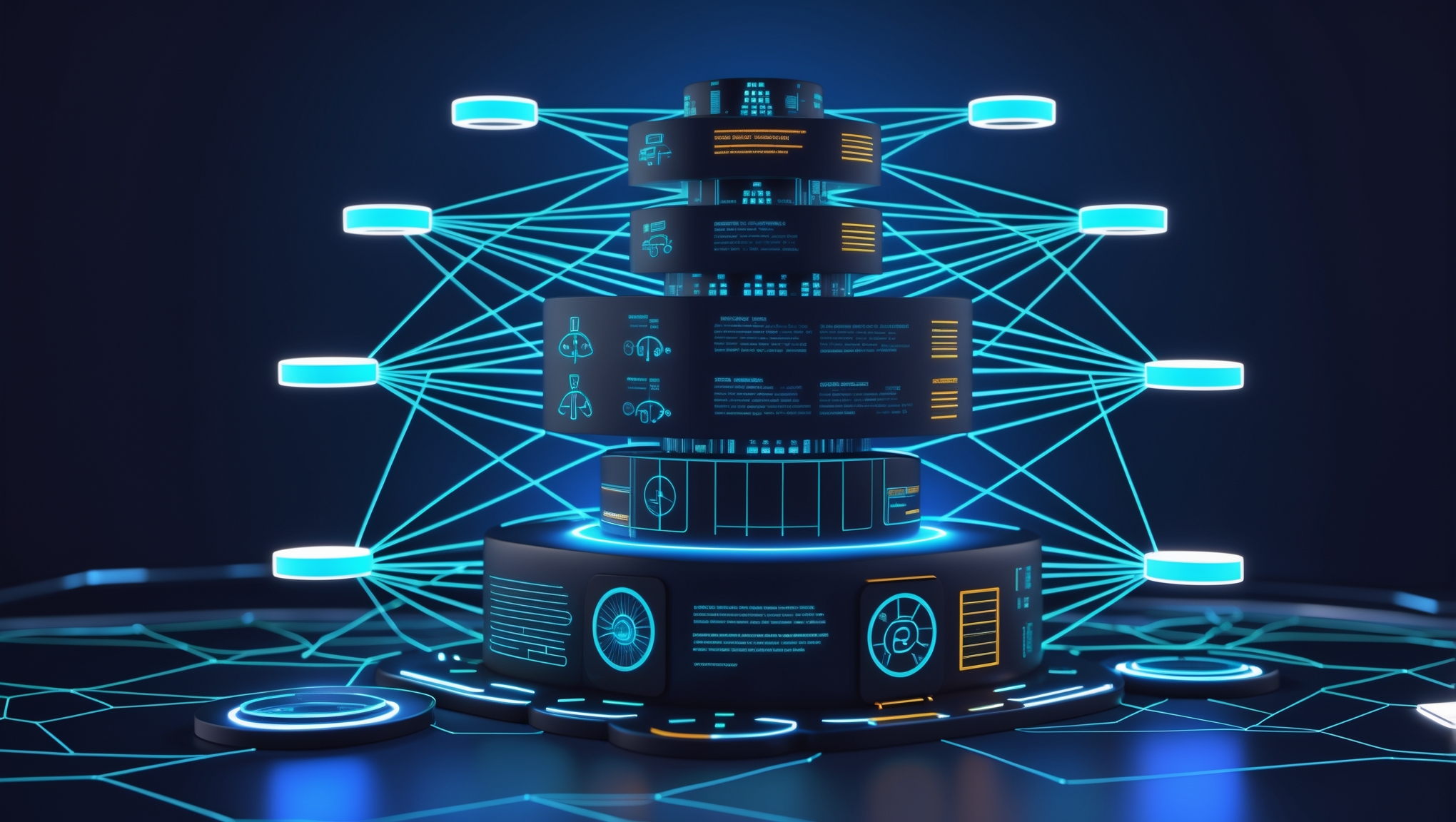
Let me be direct: the most effective competitive intelligence is built entirely from public sources.
Not because covert intelligence doesn't exist — it does, and it's used by nation-state actors and some sophisticated corporations. But because the public information that most companies are systematically ignoring is so rich that the ROI on exploiting it dwarfs the ROI on anything more aggressive.
The competitive intelligence stack I'll describe here is 100% legal, 100% ethical, and 100% more than most of your competitors are doing.
The Public Signal Stack
Tier 1: Always-on automated monitoring
These sources update continuously and should be monitored continuously:
- Company careers pages: New job postings, closed job postings, location expansions. Set up HTTP monitoring tools (Visualping, Hexowatch, or custom webhooks) to alert on page changes.
- Pricing pages: When competitors change pricing, it signals either customer pressure or confidence. Automated monitoring catches these changes within hours.
- Status pages: Public incident reporting tells you about reliability problems your competitor is experiencing. status.io and Statuspage.io make these public by design.
- Release notes and changelogs: Products that publish release notes give you a window into development velocity and priority areas. Atom feeds make these easy to monitor.
Tier 2: Scheduled monitoring (daily to weekly)
- LinkedIn activity: New hires, departures, executive posts (as discussed in a previous dispatch)
- PR and media coverage: Google Alerts for competitor company names, product names, and key executives
- Twitter/X and LinkedIn thought leadership: What are their executives saying publicly? What conversations are they engaging in?
- Review sites (G2, Capterra, Trustpilot): Customer feedback trends, specific complaints, feature requests that signal what customers want that competitors aren't providing
Tier 3: Periodic analysis (monthly to quarterly)
- SEC/regulatory filings: 10-Ks, 10-Qs, 8-Ks for significant events, and proxy statements for governance signals
- Patent applications: USPTO and international patent databases for R&D direction signals
- Academic and research publications: If a company has a significant research arm, their publications precede product development by 2-3 years
- Conference and event presence: Who is presenting, what are they presenting about, and what's the reception?
The Employee Review Intelligence Layer
Glassdoor and similar employee review platforms are an underutilized intelligence source. They tell you:
- Culture and management quality: Persistent low ratings for management suggest organizational dysfunction that will eventually impact execution quality
- Compensation pressure signals: Salary reviews that show below-market compensation indicate difficulty retaining talent — which affects product development capacity
- Strategic concern patterns: Employees often cite in reviews what they're worried about ("direction unclear," "competing priorities") before these concerns surface in analyst calls
The signal-to-noise ratio on review sites is low — you need to read many reviews and look for pattern changes over time rather than individual reviews. But the patterns, when they emerge, are often validated by subsequent events.
The Customer Signal Approach
Your customers are also your competitors' customers. The intelligence they share (ethically, in the course of normal business relationships) about their evaluation of competitive alternatives is some of the most valuable CI available.
Formalize this:
- Sales call intelligence logging: What competitors came up in consideration? What did the customer say about them?
- Win/loss analysis: When you lose a deal, understanding exactly why — and to whom — is primary competitive intelligence
- Customer advisory board intelligence: What alternatives are your customers using for adjacent problems? What are they frustrated with in your category?
None of this requires asking customers to do anything inappropriate — it requires systematic capture of what they're voluntarily telling you already.
The Dark Pattern Avoidance
I want to be explicit about what's out of bounds, because some CI methods that are common are also problematic:
- Scraping data that explicitly prohibits scraping in ToS: Legal gray area at best, creates liability
- Creating fake job applications or personas to gather intelligence: Unethical and increasingly illegal in many jurisdictions
- Paying current employees of competitors for non-public information: Illegal
- Social engineering (impersonating customers, vendors, etc.): Illegal and destroys your reputation if discovered
Everything I've described above uses public information, legitimate customer conversations, and commercially available tools. This is the complete intelligence stack — and it's more than enough.
The Synthesis Problem
The challenge isn't access to these intelligence sources. Most of them have been available for years. The challenge is synthesis — converting the continuous flow of signals into coherent, actionable intelligence.
This is what Tesseract Intelligence solves. Continuous monitoring across the public signal stack, with AI-assisted synthesis that connects signals across sources and time to produce narrative-aware intelligence reports.
The sources are public. The synthesis is the differentiator.
Explore the Invictus Labs Ecosystem

2026-03-09 · 7 min
AI Signal Post-Mortems: The Competitive Intelligence Methodology Most Systems Skip

2026-03-09 · 6 min
Hot Reload and the Execution Gap: What Continuous Deployment Means for Live Alpha

2026-03-09 · 6 min
The Automated Signal Surface: What AI-Generated Visual Intelligence Reveals About Competitive Infrastructure
Follow the Signal
Intelligence dispatches, system breakdowns, and strategic thinking — follow along before the mainstream catches on.